
Have an enquiry? Call us today on 0333 050 2911
Have an enquiry? Call us today on 0333 050 2911

Seasonal Firekeeping: Winter Woods and Warming Meals
December 05, 2025 4 min read
Winter changes everything. The air thickens, the nights lengthen, and the fire takes on a new purpose. In summer, flame is spectacle — a flickering companion to laughter and light. But in the cold months, it becomes survival. Fire in winter is not just heat or flavour; it’s heartbeat, warmth, and willpower combined. To master winter firekeeping is to master patience, precision, and respect for the rhythm of the season.
When the frost settles and the logs crack like bones, the firekeeper learns to listen. The wood is heavier, the air damper, and every spark feels earned. You don’t force a winter fire; you coax it to life, like waking an old friend who only rises for sincerity. The flame moves slower now — it rewards preparation, not haste. This is the season where those who rely on gadgets give up, and those who know the craft stay warm.
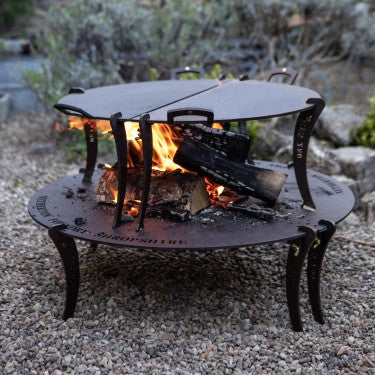
Pictured product is the 24" Split Black Iron Giant Griddle and Fire Table by our esteemed partner Netherton Foundry. Check out our full collection here!
The Heart of the Hearth
In the colder months, the quality of your fuel determines everything. Hardwoods like oak, ash, and beech are your allies — dense, steady, and full of slow-burning endurance. They radiate even heat and build a coal bed that lasts long after the flames die down. Softwoods, on the other hand, burn fast and unevenly, offering flash and smoke but little substance. Choose poorly, and your fire becomes fleeting; choose wisely, and it becomes a companion through the darkest nights.
Winter cooking demands this kind of constancy. Where summer favours speed and flame, winter asks for patience and embers. Stews, roasts, and smoked roots all rely on slow, sustained heat. The firekeeper’s job is to find balance — not too hot, not too cold, never left untended. The logs you lay in the hearth are more than fuel; they’re an investment of care, attention, and rhythm.
The Warrior’s Ritual: Tending the Winter Fire
- Gather and season your wood early. Split and store hardwoods in a dry, sheltered place before the frosts bite. The older the wood, the cleaner it burns. Oak seasoned a year burns like iron — steady and strong.
- Build for longevity, not drama. Start with smaller sticks to ignite your base, then layer thicker logs across the embers in a criss-cross pattern. Airflow is everything. Fire suffocates faster in the cold if it can’t breathe.
- Use your senses, not your gadgets. A deep orange glow means consistency. Pale flame means youth. A low hum from the coals tells you the fire’s ready for cooking — quiet, stable, and alive.
- Protect the perimeter. Shield your setup from the wind using a screen, a bank of stones, or the natural curve of the land. Wind steals heat faster than you can create it.
- Close with ritual. When the meal’s done, rake the coals into a neat heart and let the glow fade naturally. Don’t rush to extinguish it — let the embers rest. There’s wisdom in a fire that’s allowed to die with dignity.
Cooking Between Worlds
Winter firekeeping isn’t just about the open pit. The same principles guide the grill, the hearth, and the wood-fired oven. Indoors or out, the fire remains alive — it just speaks a quieter language. A grill grate over coals mimics the ember bed outside; a cast-iron Dutch oven recreates the depth of a firepit stew. True mastery isn’t where you cook — it’s how you connect with the element itself.
When the frost bites hardest, fire becomes the bridge between worlds — the wild and the domestic, the primal and the present. Cooking in winter means working with nature’s limits, not against them. The damp air thickens the smoke, the heat lingers longer, and the scent of woodfire drifts through the cold like a memory of life itself.
Warming Meals for the Warrior’s Season
The best winter foods are those that build from the ground up — earthy, slow, sustaining. Root vegetables roasted over embers, lamb stews simmered in iron, or loaves baked in a wood-fired oven. Even a simple carrot cooked in smoke tastes different in the cold — deeper, truer, touched by the season’s humility. The body craves warmth, but the soul craves ritual. That’s why we keep the fire burning when the world grows still — to remember what endurance feels like.
Warrior’s Reflection
In winter, the flame is no longer a luxury; it’s a mirror. It reflects effort, discipline, and gratitude. Every log you lay, every coal you turn, is an act of care — for yourself, for your tribe, for the rhythm of life that continues even when the land sleeps. The warrior who learns to keep the fire steady learns to keep his spirit the same way. Quiet. Strong. Unyielding. When the world freezes, you stay warm — not because the fire burns bright, but because you’ve learned to tend it well.
FAQ
What’s the best wood for winter fire cooking?
Oak and ash are ideal. Both burn hot and long, creating strong coal beds perfect for stews and roasts. Beech is a great secondary wood for maintaining consistent heat.
Can you cook on the same fire used for warmth?
Yes, if it’s managed correctly. Keep one side burning hotter for fuel and use the quieter ember bed for cooking. Rotate logs and utensils often to maintain balance.
How do I manage smoke in damp weather?
Use fully seasoned wood, raise your fire off wet ground, and build airflow from the start. Damp conditions reward patience — never rush ignition or overload with fresh logs.
DEBUG handle:
Continue your journey in the Warrior’s Kitchen: Discover open-fire recipes, ancestral cooking techniques, and foraged feasts built for resilience. Explore A Warrior’s Feast
Subscribe
Sign up to get the latest from the warrior's way blog, promotions and more