
Have an enquiry? Call us today on 0333 050 2911
Have an enquiry? Call us today on 0333 050 2911
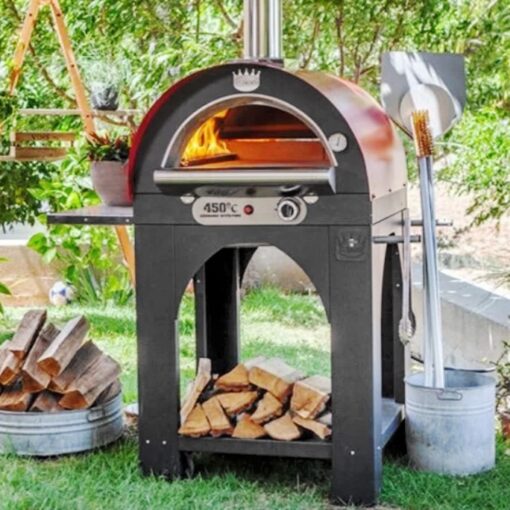

Best Wood Fired Pizza Oven for Home Use (UK) – What Actually Matters Before You Buy
February 20, 2026 3 min read
Buying a wood fired pizza oven is one of those decisions people often make emotionally first and logically later. The idea of flames, stone-baked food, and outdoor cooking taps into something very primal. But once the excitement settles, most buyers face the same practical question:
Which wood fired pizza oven is actually right for my home?
This is where many people go wrong. They compare ovens purely on price or appearance, when the real differences lie in heat dynamics, cooking capacity, materials, and long-term usability.
For buyers exploring quality wood fired ovens designed for home use, understanding these factors early prevents expensive mistakes and buyer’s remorse.
1. Forget “Pizza Oven” – Think “Outdoor Oven”
The first mindset shift is important. A quality wood fired oven is not a single-purpose pizza gadget. It is a high-temperature outdoor cooking system capable of roasting, baking, searing, and slow cooking.
Pizza is simply the gateway. Owners quickly discover these ovens excel at:
- Roasting meats
- Cooking fish
- Baking bread
- Charring vegetables
- Cast iron cooking
This reframing matters because it changes how you evaluate value. You are not buying a novelty appliance — you are investing in a versatile heat platform.
2. Heat Retention Is More Important Than Peak Temperature
Nearly every manufacturer advertises impressive maximum temperatures. In reality, most decent wood fired ovens can reach pizza-ready heat.
The more critical factor is thermal stability.
An oven that briefly spikes to high heat but loses it quickly will frustrate you. A well-designed oven maintains consistent radiant and conductive heat, allowing you to cook multiple dishes without constant fire management.
This is determined by insulation quality, stone thickness, and internal design rather than marketing numbers.
3. Size Dictates Lifestyle, Not Just Cooking Capacity
Many buyers underestimate how strongly oven size affects everyday use.
Smaller ovens:
- Heat up faster
- Use less fuel
- Suit couples and small households
Larger ovens:
- Handle multiple pizzas
- Support entertaining
- Offer more cooking flexibility
For those considering larger ovens suited to entertaining and higher cooking volume, cooking area and heat retention quickly become more important than aesthetics alone.
The mistake is assuming “bigger is always better.” Oversized ovens often mean longer heat-up times and unnecessary wood consumption for routine cooking.
4. Materials Define Longevity and Cooking Behaviour
Build quality is not just about durability — it affects how the oven cooks.
High-grade steel bodies, proper insulation layers, and dense stone floors influence heat reflection, recovery time, and even flavour development.
Poorly insulated ovens waste energy and create inconsistent results. Well-constructed ovens behave predictably, which is exactly what you want when working with live fire.
5. Ease of Use Determines Real-World Satisfaction
The romantic vision of wood fired cooking rarely includes the learning curve. In practice, usability matters enormously.
Good home ovens should offer:
- Predictable heat control
- Manageable fuel requirements
- Fast heat-up times
- Simple fire management
If an oven feels like hard work every time you light it, usage drops. If it feels intuitive, it becomes a regular part of cooking.
So, What Should You Actually Prioritise?
For most UK home users, the ideal wood fired oven balances four variables:
- Thermal stability
- Practical size
- Build quality
- Ease of operation
Everything else — styling, accessories, branding — is secondary.
A well-chosen oven becomes more than a cooking device. It reshapes how you cook, entertain, and use outdoor space. A poorly chosen one becomes an expensive garden ornament.
Many owners eventually discover the advantages of cast iron cooking inside a wood fired oven, where retained heat and thermal mass produce extremely stable and forgiving cooking behaviour.
Final Thought
The best wood fired pizza oven for home use is not the most expensive, the largest, or the most aggressively marketed. It is the one that fits your cooking habits, space, and lifestyle while delivering reliable heat behaviour.
Choose based on function, not hype — and the oven will reward you for years.
DEBUG handle:
Continue your journey in the Warrior’s Kitchen: Discover open-fire recipes, ancestral cooking techniques, and foraged feasts built for resilience. Explore A Warrior’s Feast
Subscribe
Sign up to get the latest from the warrior's way blog, promotions and more