
Have an enquiry? Call us today on 0333 050 2911
Have an enquiry? Call us today on 0333 050 2911

The Feast of Embers: Communal Fire and Shared Strength
December 19, 2025 3 min read
Every warrior needs solitude, but no warrior stands alone. Through history, the fire has been more than warmth or light — it has been the centre of brotherhood. Tribes, clans, and kin gathered around flame not just to eat, but to connect, to tell stories, and to remember who they were. In the glow of embers, hierarchy fades, ego melts, and strength becomes shared. This is the essence of the Feast of Embers — where every spark is a bond, and every flame a reflection of trust.
Modern life has scattered this ritual. Meals are eaten alone, screens replace conversation, and food is reduced to fuel. Yet the instinct remains — that pull toward warmth, light, and company when darkness gathers. The fire is the oldest form of fellowship we know, and reclaiming it is not nostalgia; it’s necessity. The warrior who keeps the flame alive learns that true power isn’t hoarded — it’s exchanged, in laughter, story, and shared struggle.
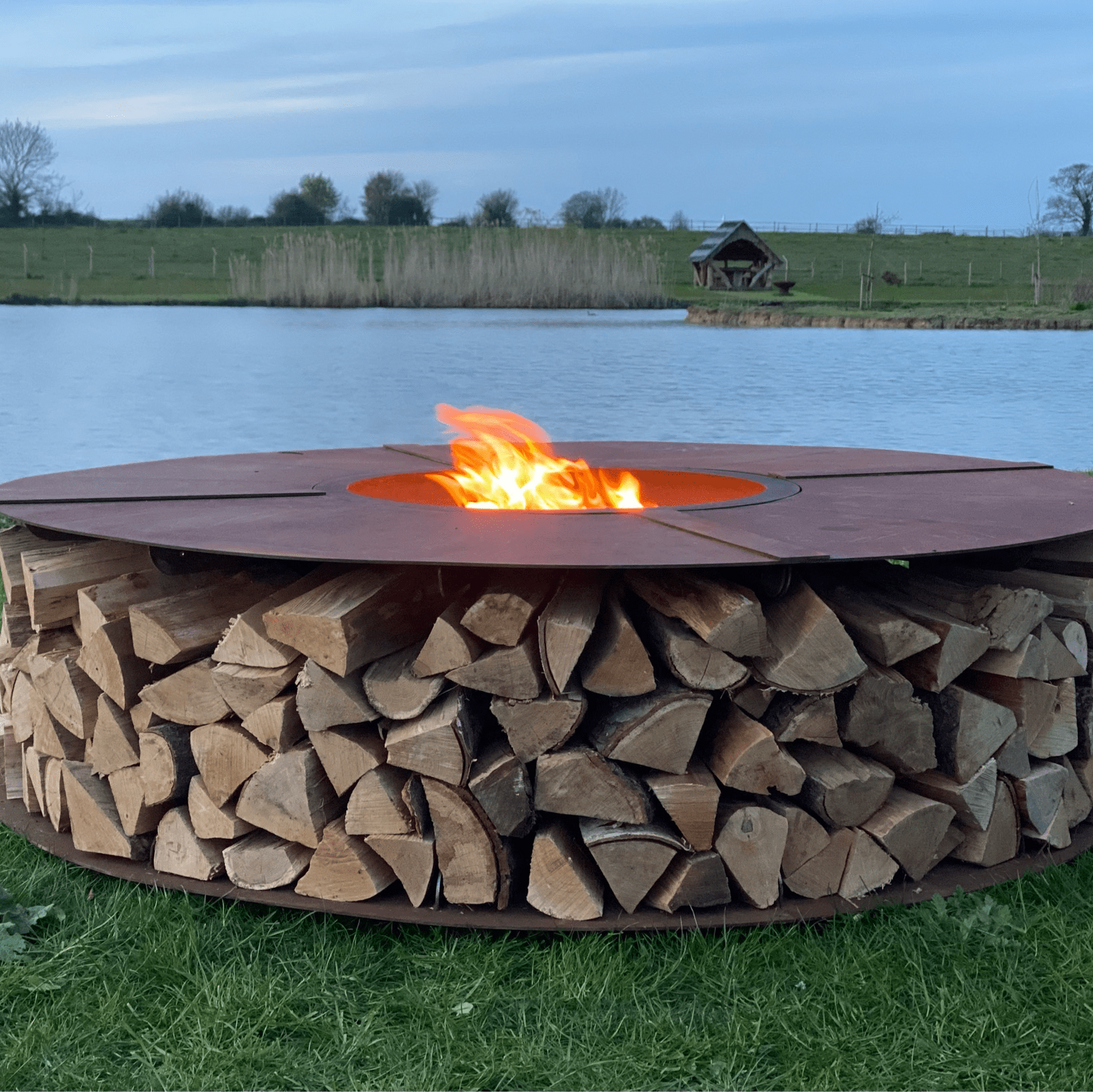
Pictured product is The Fire Pit Table with Log Store by our esteemed partner The Firepit Co. Check out our full collection here!
The Fire as Circle, Not Centre
Watch any group drawn to fire and you’ll see the unspoken order of nature. The flame sits in the middle, and everyone faces inward. No one is above, no one behind. The fire doesn’t belong to any one person — it belongs to all. Each warrior tends it in turn: adding wood, adjusting coals, shielding it from the wind. This simple act of shared care is ancient leadership — a reminder that strength exists to serve, not dominate.
Even the way we cook changes around company. Meals become slower, more deliberate. The urge to impress fades into a desire to nourish. The air fills with the smell of smoke, sizzling fat, and stories being told for the tenth time but somehow better than ever. Every ember reflects the people who built it — disciplined, patient, and alive with purpose.
The Warrior’s Ritual: Hosting the Fire
- Gather your people. Brotherhood isn’t numbers — it’s intention. A few good friends or family with strong hearts is all a fire needs to feel full.
- Build with purpose. Choose wood that burns slow — oak for steadiness, birch for beauty. Light it early and let it establish before food or talk begins. A restless fire mirrors a restless mind.
- Cook together, not for. Let everyone contribute — chopping, turning, seasoning, tasting. It’s the shared process that forges connection, not the result.
- Share stories freely. Around fire, words have weight. Speak of hardship and humour equally — truth binds stronger than boasting.
- Close the circle with gratitude. When the meal is done and the coals glow low, give thanks — not with words, but with silence. Let the fire fade naturally. Endings are part of the ritual.
The Fire as Teacher
Every flame consumes and gives back. It teaches us that energy is never lost — only transferred. The heat you feel is the memory of wood, sunlight, and soil becoming light again. The same applies to the energy between men — the strength shared, the stories passed, the courage that travels unseen from one heart to another. To sit by the fire is to remember that you’re part of something older and greater than yourself.
That’s why the warrior returns to the flame — not to boast, but to belong. Every spark carries lineage. Every meal cooked in company becomes an offering to that lineage: to those who fought before us, those who stand beside us, and those yet to come. Fire isn’t just survival — it’s heritage.
Warrior’s Reflection
There’s a moment in every night when the fire burns low and conversation turns quiet. In that silence, you see faces lit by amber light — tired, content, alive. That’s the moment you understand: this is what strength is for. Not for dominance, but for connection. Not to build walls, but to build warmth. The Feast of Embers isn’t a celebration of food — it’s a celebration of fellowship, forged in smoke and humility. The world beyond the circle will always grow cold, but here, the fire remains — steady, ancient, and ours.
FAQ
What’s the best wood for communal fire cooking?
Oak, ash, and beech are ideal for long burns and consistent heat. Avoid softwoods — they burn fast and spark excessively, interrupting the rhythm of the circle.
How can I host a fire gathering safely in winter?
Build on dry, open ground away from trees. Keep water or sand close, but let the fire burn down naturally when finished. Embers should be cold before dispersal.
What if I don’t have space for a full firepit?
A wood-fired oven or heavy cast-iron grill can recreate the ritual perfectly. The fire’s meaning comes from intention — not scale.
DEBUG handle:
Continue your journey in the Warrior’s Kitchen: Discover open-fire recipes, ancestral cooking techniques, and foraged feasts built for resilience. Explore A Warrior’s Feast
Subscribe
Sign up to get the latest from the warrior's way blog, promotions and more